
Protein Snacks & Foods
-
Vendor:
INTERNATIONAL PROTEINpancake mix/
() total reviews
Vendor:
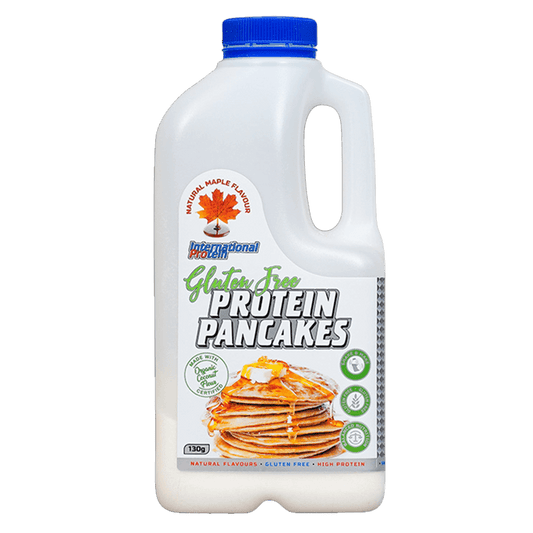
INTERNATIONAL PROTEINPancake MixRegular price $19.95Sale price $19.95 Regular priceUnit price / per -

Vendor:
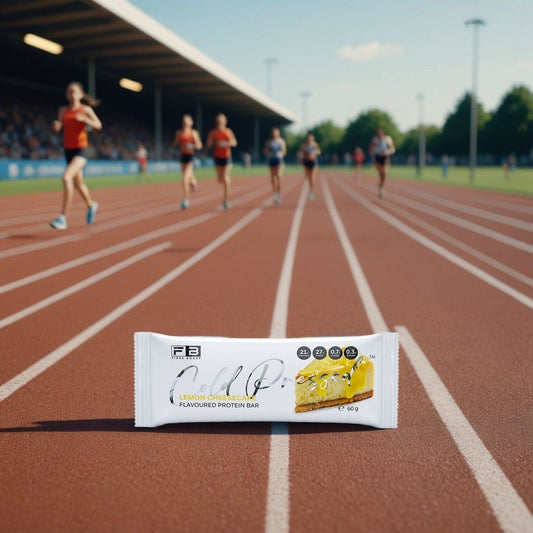
FIBRE BOOSTcold pressed bars (12) - box/
() total reviews
Vendor:
FIBRE BOOSTCold Pressed Bars (12) - BoxRegular price $60.00Sale price $60.00 Regular priceUnit price / per -

/
() total reviews
Vendor:
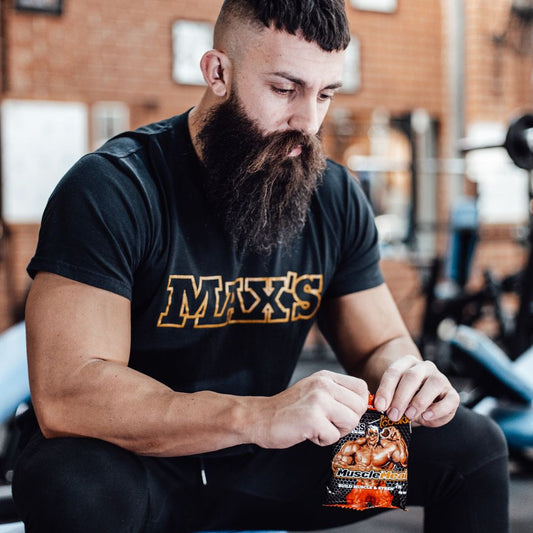
MAXSMax's Muscle Meal Cookies (12) -...Regular price $54.95Sale price $54.95 Regular priceUnit price / perSold out -

Vendor:
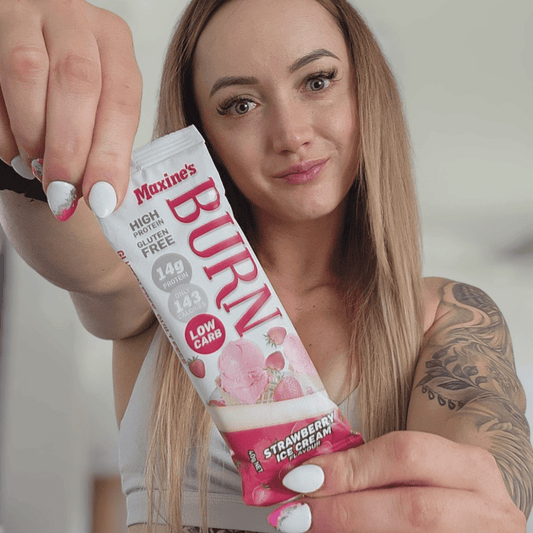
MAXINESMaxine's burn protein bars (12) - box/
() total reviews
Vendor:
MAXINESMaxine's Burn Protein Bars (12) -...Regular price $33.90Sale price $33.90 Regular priceUnit price / per -

/
() total reviews
Vendor:
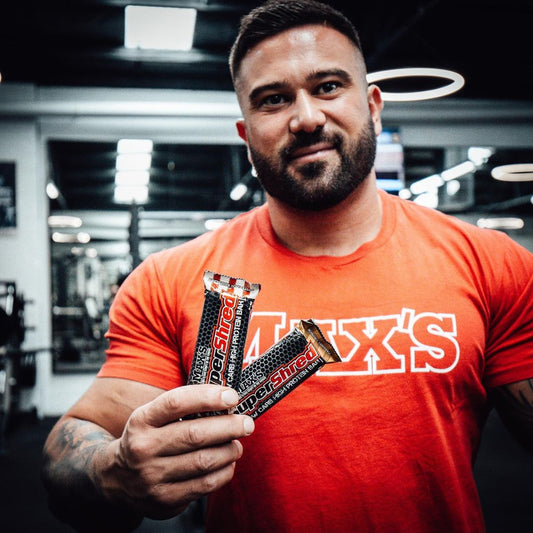
MAXSMax's Supershred Bars (12) - BoxRegular price $35.90Sale price $35.90 Regular priceUnit price / perSold out -

Vendor:
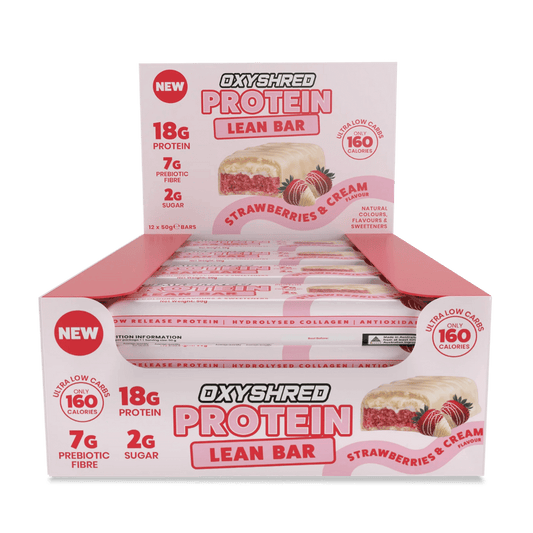
EHP LABSoxyshred lean protein bars (12) - box/
() total reviews
Vendor:
EHP LABSOxyshred Lean Protein Bars (12) -...Regular price $59.40Sale price $59.40 Regular priceUnit price / per -

Vendor:
MAXSMax's supershred cookies (12) - box/
() total reviews
Vendor:
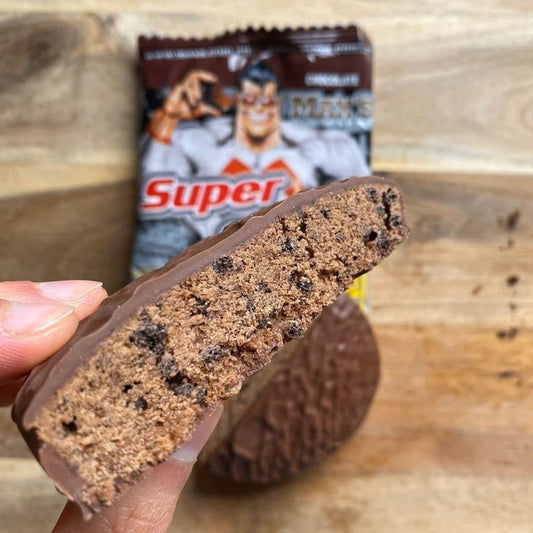
MAXSMax's Supershred Cookies (12) - BoxRegular price $54.90Sale price $54.90 Regular priceUnit price / per
FAQs
What are protein snacks?
Protein snacks are packaged foods formulated to provide more protein than a typical snack, such as protein bars, cookies, chips or baked mixes. Amounts vary widely, so the name alone does not define the nutrition. Check protein, energy, sugar, fat, fibre, sodium, allergens and serving size on the panel before comparing products.
Are protein snacks healthy?
A protein snack can fit a healthy diet, but 'high protein' does not automatically mean low sugar, low energy or minimally processed. Judge the whole nutrition panel and ingredient list against your needs. Whole foods still matter, while packaged options can be useful when convenience, portability or portion control is the priority.
What is the best high-protein snack?
The best option matches your protein target, energy needs, dietary preferences, taste and budget. Compare grams of protein per serve, total kilojoules, sugar, saturated fat, fibre, sodium and allergens. A bar for a long training day may suit a different goal from a lighter snack between meals, so context matters.
How much protein should a protein bar have?
There is no single required amount for every person or occasion. Many people compare bars by protein per serve and protein relative to total energy, but a higher number is not always better. Consider the bar's size, your daily protein target and what else you are eating rather than chasing the biggest claim.
Are protein bars better than protein shakes?
Neither is automatically better. Bars are portable, chewable and often provide more carbohydrate, fat or fibre, while shakes can deliver protein with less bulk and are easy to adjust with water or milk. Compare the labels and choose for the situation. Both are supplements to a varied diet, not mandatory daily foods.
Can protein snacks help with muscle gain?
They can help you reach daily protein and energy targets, which supports a well-planned resistance-training program. They do not build muscle on their own. Total food intake, progressive training and recovery still drive results. For gaining size, choose a snack that fits both protein and overall energy needs, not protein alone.
Are protein bars good for weight loss?
A protein bar may be a convenient portion-controlled snack, and protein can help with fullness, but the bar does not cause fat loss. Some bars are energy-dense or similar to confectionery in calories. Compare serving size and total energy, and account for it within your overall eating plan rather than adding it automatically.
Can I eat a protein snack every day?
You can include a suitable protein snack regularly if it fits your nutrition needs, budget and tolerance. Keep variety in your diet and do not let packaged snacks displace fruit, vegetables, whole grains and other nutrient-dense foods. Check sugar alcohols, fibre and allergens if daily use causes digestive discomfort.
Should I eat a protein snack before or after training?
Either can work. Before training, choose something you digest comfortably and allow enough time, particularly if it is high in fat or fibre. After training, a protein snack can be convenient when a meal is not available. Your total protein and energy intake across the day matters more than a perfect minute.
What should I check on a protein snack label?
Start with serving size, protein and total energy, then compare sugar, saturated fat, fibre and sodium. Review the ingredient and allergen statements, especially for milk, soy, gluten, peanuts and tree nuts. Also check whether the stated values are per serve or per 100 grams so comparisons are like for like.
Are protein snacks low in sugar?
Not always. Some use sugar, syrups or dried fruit, while others use sweeteners or sugar alcohols to reduce sugar. Low sugar does not automatically mean low energy, and some sweeteners can cause digestive discomfort in larger amounts. Read the nutrition panel and ingredients instead of relying on the front-of-pack flavour or claim.
Are protein snacks gluten-free or dairy-free?
Only when the exact product is labelled to meet that dietary need. Protein snacks commonly contain milk, whey, soy, nuts or gluten-containing grains, and flavours within one range may differ. Read the allergen statement every time and check cross-contact warnings if you have coeliac disease or a serious food allergy.
Are there vegan protein snacks?
Yes, some protein snacks use plant proteins and exclude animal-derived ingredients. Confirm the vegan label on the exact flavour and pack, then check protein per serve, allergens and overall nutrition. Vegan does not automatically mean gluten-free, nut-free or lower in sugar, so treat each dietary claim separately.
Is a protein bar a meal replacement?
Most protein bars are snacks, not nutritionally complete meal replacements. A genuine meal-replacement product is formulated and labelled for that purpose, while a standard bar may lack enough energy, vitamins, minerals or food variety. If you need meal replacements regularly or for a medical reason, seek guidance from an Accredited Practising Dietitian.
How should protein bars and snacks be stored?
Follow the pack directions and best-before date. Most bars and dry mixes should be kept sealed in a cool, dry place away from direct heat, which can affect texture and coatings. Australian summer temperatures can be brutal, so avoid leaving them in a hot car or damp gym bag for long periods.
Are protein snacks suitable for children?
Do not assume a sports nutrition snack is designed for children. Caffeine, concentrated ingredients, sweeteners, serving size and allergens can make some products unsuitable. Everyday foods are usually the first choice. Parents should read the complete label and seek advice from a doctor or Accredited Practising Dietitian for a child's specific nutrition needs.


