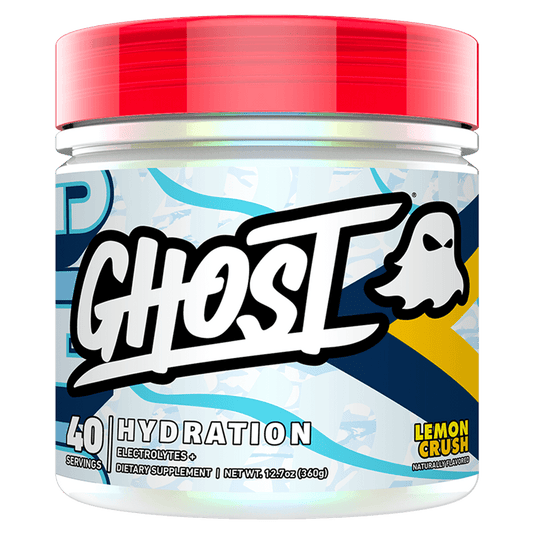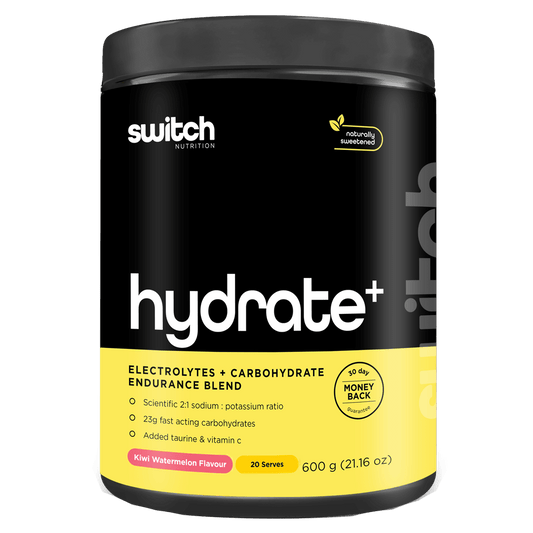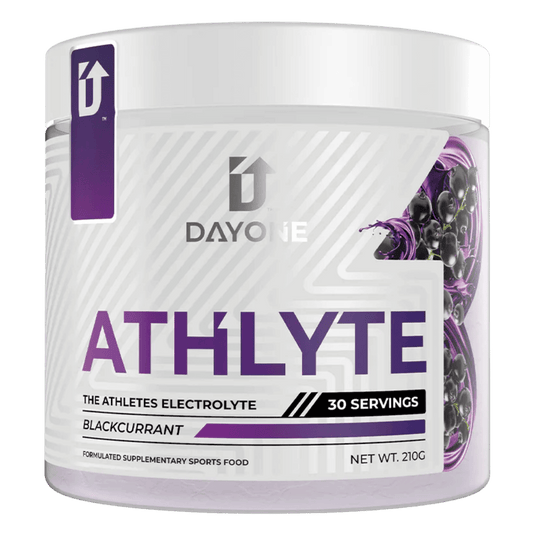


Hydration
-

4.75 / 5.0
(4) 4 total reviews
Vendor:
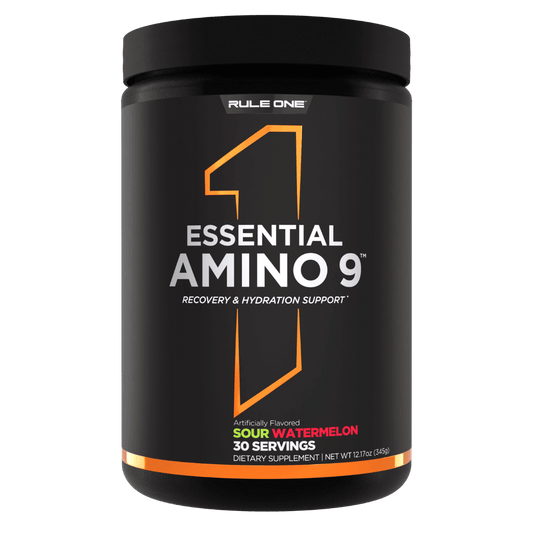
RULE 1Essential Amino 9Regular price $49.49Sale price $49.49 Regular priceUnit price / per$54.99Sale -

/
() total reviews
Vendor:
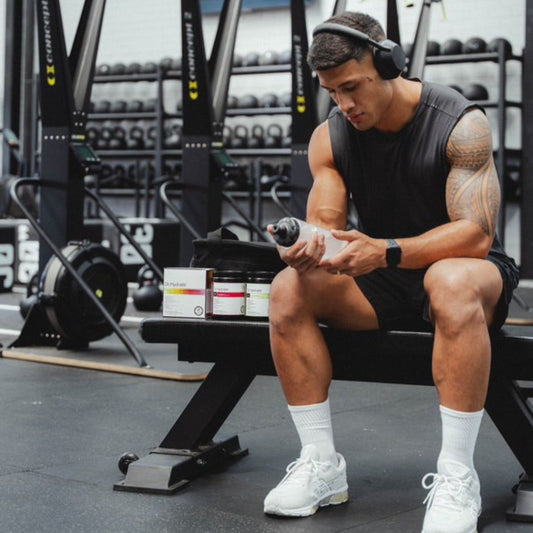
DR HYDRATEDr. HydrateRegular price $42.46Sale price $42.46 Regular priceUnit price / per$49.95Sale -

1.0 / 5.0
(1) 1 total reviews
Vendor:
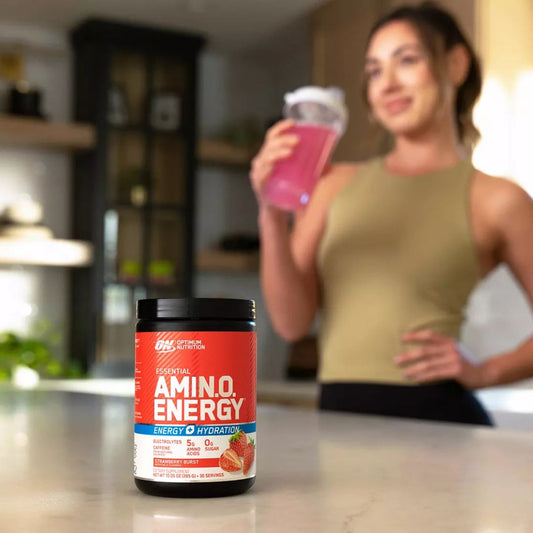
OPTIMUM NUTRITIONAmino Energy + ElectrolytesRegular price $44.96Sale price $44.96 Regular priceUnit price / per$49.95Sale -

3.67 / 5.0
(3) 3 total reviews
Vendor:
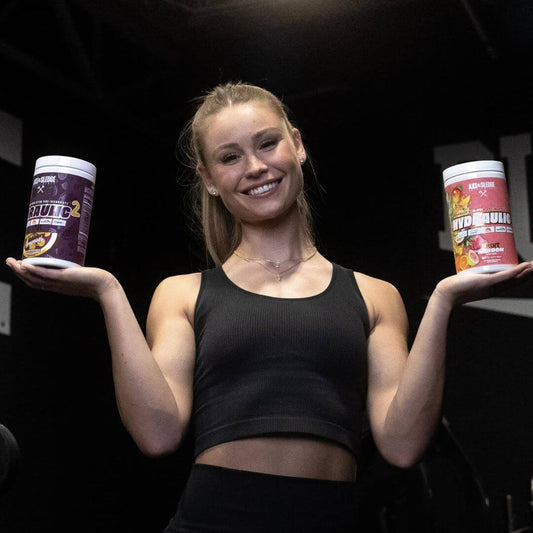
AXE & SLEDGEAxe & Sledge HydraulicRegular price $72.21Sale price $72.21 Regular priceUnit price / per$84.95Sale -

3.0 / 5.0
(2) 2 total reviews
Vendor:
INSPIRED NUTRACEUTICALSInspired HydrateRegular price $50.96Sale price $50.96 Regular priceUnit price / per$59.95Sold out -

/
() total reviews
Vendor:
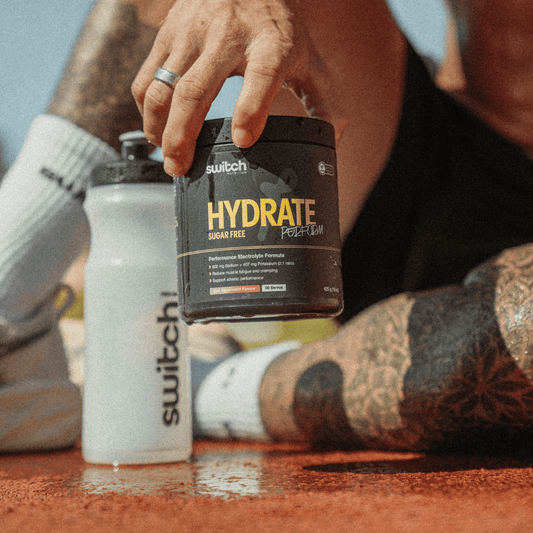
SWITCH NUTRITIONHydrate PerformRegular price From $42.46Sale price From $42.46 Regular priceUnit price / per$49.95Sale -

/
() total reviews
Vendor:
SWITCH NUTRITIONHydrate SticksRegular price $42.46Sale price $42.46 Regular priceUnit price / per$49.95Sale
Stay hydrated, stay performing. Our Hydration Supplements Collection brings together the essentials your body needs to replenish fluids, support everyday wellbeing, and keep you training at your best. From rapid-absorption electrolyte powders to amino acid blends with added minerals, and low-sugar rehydration options — this range has everything to keep you balanced and refreshed.
Designed for athletes, gym-goers, outdoor workers, weekend warriors, and anyone who wants reliable hydration support, these products help replace key electrolytes lost through sweat while supporting muscle function, endurance, and recovery.
Types of Hydration Supplements:
- Electrolyte Powders & Tablets: Clean, fast-acting blends with sodium, potassium, magnesium and more for daily hydration and performance.
- Amino Acids + Electrolytes: BCAA and EAA formulas upgraded with essential minerals for muscle support and hydration in one.
- Low-Sugar & Zero-Sugar Options: Everyday-friendly hydration without unnecessary carbs.
- Thermo & Performance Hybrids: Light energy or focus-support hydration options for those wanting more than just electrolytes.
Why Hydration Matters
Proper hydration supports muscle contractions, endurance, cognitive function, and recovery — especially during intense training, hot weather or long workdays. The supplements in this collection are designed to help you maintain fluid balance, stay energised, and perform consistently.
Perfect For
- Gym sessions & endurance training
- Team sports & outdoor activity
- Workouts in hot or humid conditions
- Daily hydration for active lifestyles
- Replenishing electrolytes after sweating
Explore Powerhouse Supplement's full Hydration Supplements range and find the perfect product to keep you going — longer, harder and with confidence.
FAQs
What are electrolytes?
Electrolytes are minerals with an electrical charge, including sodium, potassium, chloride, magnesium and calcium. They contribute to fluid balance and normal body functions. Sweat contains water and electrolytes, especially sodium, but losses vary between people and conditions. A hydration product should be chosen for the situation, not because more electrolytes are always better.
What is a hydration supplement?
A hydration supplement is a powder, tablet or ready-to-drink product designed to add electrolytes and sometimes carbohydrate or other ingredients to fluid. Some are electrolyte-only, while sports drinks also provide fuel. Read sodium, carbohydrate, caffeine and mixing directions because products sold under 'hydration' can have very different purposes.
When do I need an electrolyte drink?
An electrolyte drink can be useful during or after long, hot or high-sweat exercise, when replacing substantial fluid and sodium losses is difficult with water and food alone. Needs vary by session and person. For short or light activity, plain water and normal meals are often enough. A sports dietitian can personalise a sweat plan.
Are electrolytes better than water?
Not universally. Water is appropriate for many everyday and shorter exercise situations. Electrolytes become more relevant when sweat and sodium losses are substantial, sessions are prolonged, conditions are hot, or rapid rehydration is needed. Some sports drinks also provide carbohydrate. Match the drink to your fluid, electrolyte and fuel needs instead of treating one option as always superior.
How long should I exercise before taking electrolytes?
There is no single time threshold because heat, humidity, intensity, sweat rate, clothing and individual sodium losses all matter. Longer sessions increase the chance that electrolytes or carbohydrate become useful, but some heavy or salty sweaters may need a plan earlier. Trial products in training and seek sports-dietitian guidance for endurance events.
What does sodium do in an electrolyte drink?
Sodium is the main electrolyte lost in sweat and can support thirst, fluid intake and retention in appropriate exercise situations. The useful amount varies with sweat loss and the product's purpose. Excess salt is not automatically beneficial and may cause stomach problems or disrupt fluid balance, so follow the label and avoid improvised mega-dosing.
Are sugar-free electrolytes effective?
Sugar-free electrolyte products can supply sodium and other minerals without meaningful carbohydrate. They may suit situations where fluid and electrolyte replacement is wanted without extra fuel. For longer or high-intensity exercise, carbohydrate may also be useful, so a sports drink or separate food may fit better. Compare the formula with the session's demands.
Should I drink electrolytes before, during or after exercise?
They can be used at any of those times when the situation calls for them. Before exercise, they may support preparation for heat or high sweat loss; during exercise, they can help replace fluid and sodium; after exercise, they can support rehydration. Your plan should reflect the session, climate and personal tolerance.
How do I rehydrate after a workout?
Start by estimating how much fluid you lost, then replace fluids gradually alongside sodium from food or an appropriate drink. The AIS advises that moderate-to-large exercise fluid deficits may require more fluid than the measured deficit over the following hours. Avoid forcing excessive water, and include recovery food to address energy and protein needs.
Can I drink electrolytes every day?
Many healthy people do not need an electrolyte supplement every day because normal food and fluids cover routine needs. Regular use may be appropriate in consistently hot, high-sweat or endurance settings, but sodium, sugar and other ingredients still count. Follow the label and seek advice for blood pressure, kidney, heart or fluid-balance conditions.
What are the signs of dehydration?
Common signs can include thirst, dry mouth, darker urine, headache, fatigue or reduced exercise capacity, but symptoms are not perfectly specific. Severe dehydration, confusion, fainting, inability to keep fluids down or very low urine output needs urgent medical attention. Do not use a sports supplement to self-treat illness-related dehydration without appropriate health advice.
Do electrolytes prevent muscle cramps?
Not all muscle cramps are caused by electrolyte loss, so an electrolyte drink cannot guarantee prevention. Fatigue, pacing, conditioning and individual susceptibility may also contribute. A suitable fluid and sodium plan can be relevant for heavy sweaters or long events, but recurring or severe cramps deserve broader review rather than simply increasing salt.
What is the difference between electrolytes and BCAAs?
Electrolytes are charged minerals involved in fluid balance and body functions, while BCAAs are three amino acids found in protein. Some intra-workout formulas contain both, but they are not interchangeable. Choose electrolytes for a defined hydration need and assess amino products in the context of total protein intake.
Do hydration supplements contain caffeine?
Some do, but many are stimulant-free. Caffeine may appear in energy-hydration hybrids or ready-to-drink products, so check every label and add it to coffee, pre-workout and other sources. Caffeine timing can affect sleep, and a caffeinated hydration product is not automatically appropriate for children, late training or every-day use.
How do I mix electrolyte powder?
Use the exact powder-to-water ratio on the label. Making it more concentrated changes sodium, carbohydrate, sweetness and stomach tolerance, while over-dilution changes the intended serve. Use a clean, dry scoop and fresh water, shake or stir thoroughly, and follow any directions about refrigeration or how soon the mixed drink should be consumed.
Who should ask a doctor before using electrolyte supplements?
People with kidney, heart or blood-pressure conditions, fluid restrictions, diabetes, or medicines that affect electrolytes should seek medical or pharmacist advice first. Pregnancy and illness-related dehydration also need appropriate guidance. Electrolyte products vary in sodium, potassium, carbohydrate and other actives, so take the exact label to the consultation.